



Electroculture gardening in a small apartment
Gardening in a small apartment using plant pots and small planters is a fantastic way to grow food and bring greenery into your space, even with limited room. Here are 15 steps to help you get started and thrive:
1. Assess Your Space and Light
- Light Conditions: Determine how much natural light your apartment receives. South-facing windows get the most light, while north-facing ones get the least. Choose plants that match your light conditions (e.g., succulents for bright light, pothos or snake plants for low light).
- Space Optimization: Use windowsills, shelves, hanging planters, or wall-mounted pots to maximize vertical space.
2. Choose the Right Plants
- Low-Maintenance Plants: Start with easy-to-care-for plants like pothos, snake plants, spider plants, or ZZ plants.
- Herbs and Edibles: Grow herbs like basil, mint, parsley, or thyme in small pots. Cherry tomatoes, lettuce, or peppers can also thrive in larger planters.
- Compact Varieties: Look for dwarf or compact varieties of plants, such as dwarf citrus trees or small flowering plants like African violets.
3. Building a Simple Wicking Planter
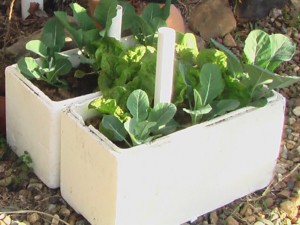
Creating a wicking planter is a fantastic way to grow plants without constantly needing to water them. Here’s a simple method:
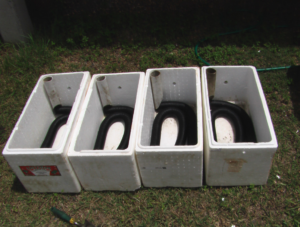
The Foundation: Start with a plastic box, a drainage pipe and a plastic pipe. The drain pipe will act as your water reservoir and the plastic pipe is your filling tube.
The drainage line: It goes coiled at the bottom of the planter to assist spread the water throughout the soil.
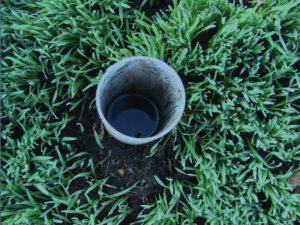
Pipe Size Matters: While a small pipe will work, a larger pipe (around 100mm in diameter) offers a few advantages:
- Easy Water Level Check: You can easily see how much water is in the pipe, making it simple to determine when and how much to water.
- Extended Watering: A larger pipe holds more water, so you won’t need to water as often.
- Water Level: The pipe should allow you to see if there is still water left in the planter.
Drainage: A small drain hole in the side of the box is all you need to prevent overwatering. The hole should be made at a height measured from the bottom inside the planter equal to 1/2 to 3/4 the diameter of the drain pipe coiled inside the planter. This allows excess water to escape, and allows air into the planter, providing oxygen and water to the roots of the plants without flooding the soil, keeping your plants happy and healthy.
4. Use Quality Potting Mix
- Avoid garden soil, as it can compact in pots and hinder root growth. Use a high-quality potting mix designed for container gardening. For succulents or cacti, use a well-draining mix.
5. Water Wisely
- Check Soil Moisture: Stick your finger about an inch into the soil. If it’s dry, it’s time to water. Overwatering is a common issue in container gardening but with the wicking planters this problem is solved. Because there is a water reserve at the bottom of the planter inside the drain pipe, there is no need to water so often, just check regularly to make sure there is water left and refill until you see water overflowing through the drain hole on the side.
- Use compost tea when watering, this will add nutrients and good microbes to the soil, serving as a natural fertilizer.
- Watering Schedule: Adjust watering based on the season. Plants generally need less water in winter and more in summer.
6. Fertilize Regularly
- Potted plants rely on you for nutrients. Use a balanced liquid fertilizer (compost tea) or slow-release organic granules according to the plant’s needs. Herbs and edibles may require more frequent feeding.
- Use foliar sprays combined with music or sounds. See next point.
7. Positioning Sound Devices
Researchers have revealed that plants react to sounds in remarkably complex ways that affect not just their general health but also the rate and size of their growth. It was found that a combination of sound and foliar sprays gives the best results. Dan Carlson’s patented Sonic Bloom system became famous when he grew a Purple Passion house plant, which normally only grows to about 18 inches in height, to over 1,200 feet under the influence of Sonic Bloom, earning it a place in the Guinness Book of World Records.
To take advantage of the effect of sound on plants, strategically position speakers for music or sound frequencies, along with all necessary wiring. Avoid using Bluetooth technology or Wi-fi around your plants, as the EMF they emit can negatively impact both plants and pollinators. Full setup instructions and playlist files can be downloaded free from here.
This is a very interesting and useful topic that when applied to a garden can drastically improve the health, growth and productivity of the plants. It is explained in great detail in my book The Charged Garden.
8. Electroculture devices to stimulate plant growth
Here are some methods to incorporate electroculture into your indoor garden:
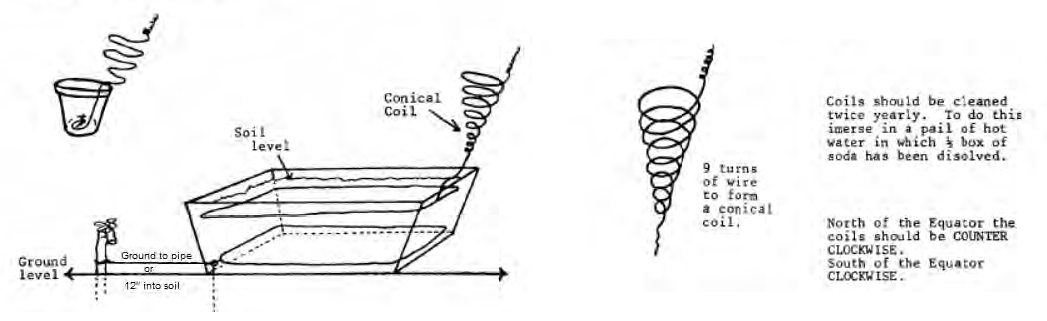
Copper Antennas
- Materials: Use copper wire or rods.
- Setup: Insert a copper rod or coil into the soil near your plants. The copper acts as an antenna, capturing atmospheric energy and directing it to the plant roots.
- Placement: For larger plants, use one rod per plant. For smaller plants, one rod can serve multiple plants.
Magnetic Fields
- Materials: Small magnets or magnetic strips.
- Setup: Place magnets around the base of your pots or embed them in the soil. The magnetic field can stimulate root growth and nutrient absorption.
- Tip: Use neodymium magnets for stronger magnetic fields.
9. Always treat your seeds before planting
You will always benefit from treating your seeds before planting, but please do not use chemicals, they kill the bees and by doing so they ultimately hurt food production. The easiest method is exposing the seeds for a certain amount of time to a magnetic field. It will make a difference from the start.
Many seeds germinate and grow about two times faster when exposed to the north pole of an artificial field before planting than when not exposed; wheat seed, in particular, grows about five times faster in the first 48 hours than unexposed seed.
A full explanation of this method can be found here.
10. Rotate Plants
- Rotate your pots occasionally to ensure all sides of the plant receive equal light, promoting even growth.
11. Prune and Maintain
- Regularly trim dead leaves and stems to encourage healthy growth. Pinch back herbs to promote bushier growth.
12. Pest Control
- Keep an eye out for pests like aphids or spider mites. Wipe leaves with a damp cloth or use insecticidal soap if needed.
13. Organize the Space
- Shelving: Use vertical space with shelves or hanging planters to maximize growing area.
- Workstation: Set up a small table for potting, pruning, and other gardening tasks.
- Aesthetic Touch: Add decorative elements like plant stands, trellises, or fairy lights to make the room inviting.
14. Monitor and Adjust
- Track plant growth and health regularly. Adjust lighting, watering, and feeding as needed.
- Rotate plants occasionally to ensure even light exposure.
15. Experiment and Expand
Try growing new plants or experimenting with different growing methods, lighting, proximity of electroculture devices to the plants, orientation, foliar sprays or tea composts, and different music or sounds.
Bonus Tips:
- Group Plants: Grouping plants with similar light and water needs can create a mini microclimate and make care easier.
- Decorative Touches: Use colorful pots, decorative stones, or small garden ornaments to personalize your space.
- Grow Lights: If natural light is limited, consider using LED grow lights to supplement.
- Ground the soil in the pots. Use a thick copper wire or plate and stick it into the soil in the pot without damaging the roots of the plants. Connect this wire or plate to the ground of an AC outlet. Before doing this, check that the outlet is properly grounded, there is a small and cheap device you can buy from amazon to check.
With a little planning and care, you can create a thriving indoor garden that brings joy and freshness to your small apartment!